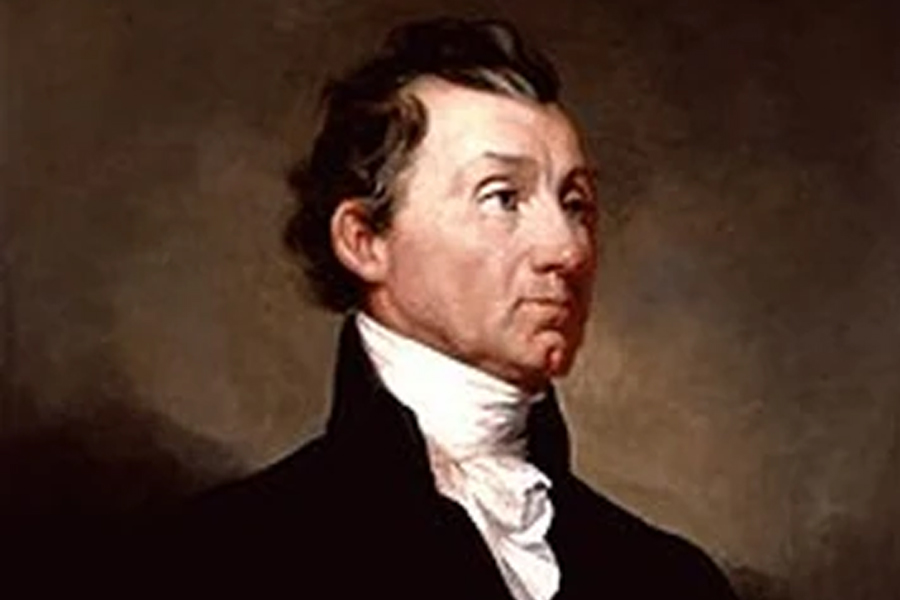
In my journey through the pages of American history, few tales stir such quiet sorrow as the story of James Spence Monroe. Born into the glow of revolutionary promise, this infant son flickered like a single candle in a grand hall of leaders and lawmakers. His presence lasted mere months, yet it wove tightly into the fabric of one of our nations most enduring families. I often reflect on how such brevity can echo across centuries, reminding us that every life, no matter how short, anchors a legacy. Let me guide you through his world, his kin, and the ripples that still touch us today.
The Brief Spark of His Existence
Richmond welcomed James Spence Monroe in May 1799. The second child and only son of a rising political star, he was born while his father was governor. His mother chose the name carefully, following tradition more than patriotic zeal. Early days in the capital city were full of the excitement of a nascent country seeking its feet. However, a brief sickness killed him at 16 months old on September 28, 1800. The blow was powerful. He is buried in Richmond’s Saint Johns Episcopal Churchyard under a simple stone with the letters J.S.M. No large monuments or extensive inscriptions mark his grave. This simplicity speaks volumes to me, a humble testament to a family too busy for ceremony.
Parents at the Heart of His World
His father, James Monroe, stood as the towering oak in this family grove. Born in 1758 and departing in 1831, he served as Founding Father, diplomat, governor, and later the fifth President of the United States. Even in those early gubernatorial years, he carried the weight of national hopes on his shoulders. The loss of his son overwhelmed him in ways he described as beyond expectation, a storm that tested his renowned resolve. His mother, Elizabeth Monroe, born in 1768 and passing in 1830, brought New York elegance and strength to the union. She insisted on the traditional naming and poured her devotion into the household. Together they created a cocoon of love and ambition around young James Spence Monroe, though fate allowed him only a glimpse of their shared path.
Siblings Who Carried the Flame Forward
His older sister, Eliza Kortright Monroe, later Hay, shared his childhood. Born in 1786 and surviving till 1835, she married George Hay and became White House hostess during her mother’s illness. His brief relationship was part of the unbreakable familial tie. The younger sister, Maria Hester Monroe, became Gouverneur. After his death, she married Samuel L. Gouverneur and cared for her bereaved father and sister in New York from 1802 to 1850. Despite the empty table, the parents invested in higher education for both daughters to keep the family torch burning. I imagine those sisters as strong branches that kept the tree alive after the little twig fell.
Grandparents Who Provided Deep Roots
The grandparents formed the sturdy foundation beneath it all. On the paternal side, Spence Monroe and Elizabeth Jones Monroe offered Virginia grit and patriotism forged in earlier generations. Their influence shaped the values that guided the entire household. On the maternal side, Lawrence Kortright and Hannah Kortright infused New York sophistication and social standing. These four elders created the rich soil from which James Spence Monroe briefly sprouted, connecting him to colonial legacies that spanned decades and distances.
Great Grandparents and the Widest Circle
Further back, the great grandparents added layers of history and connection. Sarah Sands, John Aspinwall, Hester Canon, Cornelius Kortright, and James Jones each contributed threads to this intricate tapestry. Their lives stretched across New York and Virginia, blending merchant success with revolutionary spirit. I imagine them as ancient stones in a riverbed, shaping the current that carried the family name forward to 1799.
Uncles and Aunts Who Formed the Support Network
Uncles on the paternal side included Joseph Jones Monroe, Spence Monroe, and Andrew Augustine Monroe. These brothers of his father stood ready with counsel and camaraderie in Virginia society. Aunts such as Elizabeth Buckner, Elizabeth Monroe, and Jane Monroe completed the circle, offering the warmth and wisdom of extended kin. Together they created a web of support that surrounded the infant, even if his time among them proved all too brief.
To bring clarity to this expansive family, here is an overview table of key relatives:
| Relationship | Name | Birth to Death Years | Notable Details |
|---|---|---|---|
| Father | James Monroe | 1758 to 1831 | Fifth President and diplomat |
| Mother | Elizabeth Monroe | 1768 to 1830 | New York born matriarch |
| Older Sister | Eliza Kortright Monroe Hay | 1786 to 1835 | White House hostess |
| Younger Sister | Maria Hester Monroe Gouverneur | 1802 to 1850 | Family caregiver in New York |
| Paternal Grandfather | Spence Monroe | Early 1700s to unknown | Virginia patriot and craftsman |
| Paternal Grandmother | Elizabeth Jones Monroe | Early 1700s to unknown | Root of family values |
| Maternal Grandfather | Lawrence Kortright | Mid 1700s to unknown | New York merchant influence |
| Maternal Grandmother | Hannah Kortright | Mid 1700s to unknown | Social anchor |
| Great Grandparent | Sarah Sands | 1700s | Colonial lineage link |
| Great Grandparent | John Aspinwall | 1700s | New York connections |
| Great Grandparent | Hester Canon | 1700s | Family heritage thread |
| Great Grandparent | Cornelius Kortright | 1700s | Merchant roots |
| Great Grandparent | James Jones | 1700s | Paternal side foundation |
| Uncle | Joseph Jones Monroe | 1700s to 1800s | Brother to father |
| Uncle | Spence Monroe | 1700s to 1800s | Family supporter |
| Uncle | Andrew Augustine Monroe | 1700s to 1800s | Virginia kin |
| Aunt | Elizabeth Buckner | 1700s to 1800s | Extended family tie |
| Aunt | Elizabeth Monroe | 1700s to 1800s | Paternal sister figure |
| Aunt | Jane Monroe | 1700s to 1800s | Close relative |
No Path for Career or Achievement
As an infant who lived only 16 months, James Spence Monroe left behind no career path, no financial records, and no professional milestones. His world consisted of family arms and simple daily rhythms. This absence feels poignant to me, a blank canvas that highlights how some lives contribute through their very existence rather than through grand deeds.
Faint Echoes in Our Modern Age
Today no fresh headlines or social media storms center on James Spence Monroe. Occasional mentions surface in quiet genealogy discussions or historical reflections, but they remain soft whispers. His story rests peacefully in the background, undisturbed by contemporary noise.
Timeline of a Life That Burned Briefly
Here I lay out the key moments that defined his short journey:
May 1799: Birth in Richmond, Virginia, during his fathers governorship.
1799 to 1800: Early months spent in the capital amid regional events and family duties.
September 28 1800: Death after several days of illness at age 16 months.
Late 1800: Burial in Saint Johns Episcopal Churchyard with a simple stone arranged by his father through a trusted friend.
Post 1800: Family line shifts focus to the daughters, extinguishing the direct male succession while strengthening bonds among survivors.
Each date marks a step in a path that ended far too soon, like a river that vanishes into the earth after a promising start.
FAQ
Why does James Spence Monroes story matter in presidential history?
To me it matters because it humanizes the towering figure of his father. The fifth President faced triumphs and tragedies alike, and this loss in 1800 revealed a vulnerable side often hidden behind public duty. It also closed one chapter of the family line, redirecting energy toward the daughters who carried the Monroe name into future generations. I see it as a reminder that even great leaders navigate personal storms that shape their leadership.
How did his parents choose his name?
His mother Elizabeth Monroe chose it deliberately in May of 1799 to honor tradition and her husband directly. She passed over other suggestions that leaned toward patriotic heroes. This choice reflected her New York roots and the couples shared values, creating a name that echoed through the household even after his passing in 1800.
What role did his sisters play after his death?
Eliza Kortright Monroe Hay, born in 1786, stepped into prominent roles including White House hostess by the 1820s. Maria Hester Monroe Gouverneur, born in 1802, became the steady caregiver for her father and sister in New York after 1831. Both received advanced education thanks to their parents focus, turning grief into purpose and keeping family unity strong across decades.
Who were the most influential grandparents in his short life?
Spence Monroe and Elizabeth Jones Monroe on the paternal side instilled Virginia resilience, while Lawrence Kortright and Hannah Kortright on the maternal side brought New York polish. These four shaped the environment of privilege and patriotism that welcomed him in 1799, even though he never knew them in full measure.
Did any uncles or aunts leave lasting marks on the family narrative?
Uncles Joseph Jones Monroe, Spence Monroe, and Andrew Augustine Monroe provided steady support within Virginia circles. Aunts Elizabeth Buckner, Elizabeth Monroe, and Jane Monroe added layers of kinship and counsel. Their presence formed a safety net that helped the parents endure the 1800 loss and continue building a legacy for the surviving children.
How long did James Spence Monroe actually live?
Precisely 16 months, from May 1799 to September 28 of 1800. This narrow window holds surprising depth when viewed against the 73 year lifespan of his father and the broader family timeline stretching back to the 1700s.